Loading model…正在加载模型详情…

 Google
Generate images from a text prompt with Nano Banana 2, Google's Gemini 3.1 Flash Image model, in the browser or through an API.
- From $0.05 / imageSave up to 26%
- 1K to 4K
- 1:1 or 16:9
Examples

translation of all the text to Hindi.
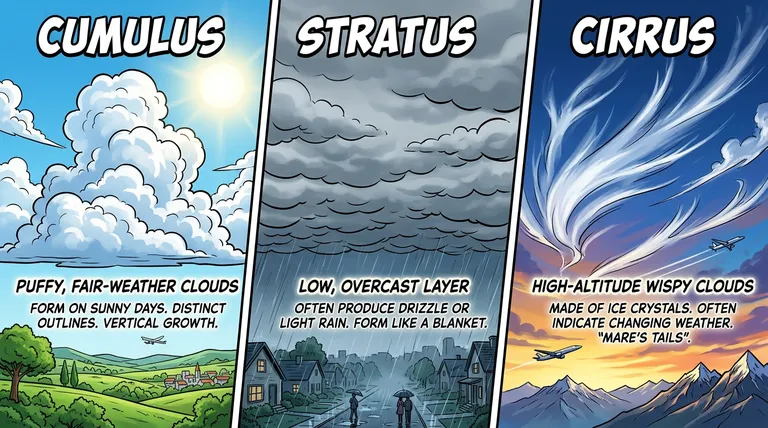
Made with reference mediaTriptych infographic comparing three types of clouds: Cumulus, Stratus, and Cirrus. Each panel shows the cloud type in a dramatic sky with a bold label. High-contrast comic style.
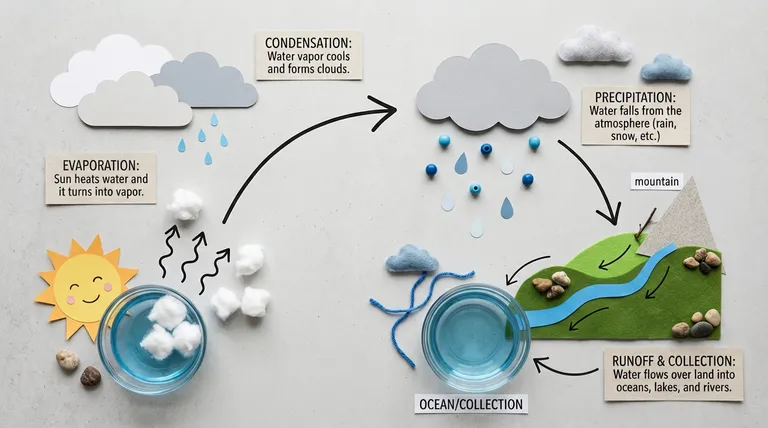
High-quality flat lay photography creating a DIY infographic that simply explains how the water cycle works, arranged on a clean, light gray textured background. The visual story flows from left to right in clear steps. Simple, clean black arrows are hand-drawn onto the background to guide the viewer's eye. The overall mood is educational, modern, and easy to understand. The image is shot from a top-down, bird's-eye view with soft, even lighting that minimizes shadows and keeps the focus on the process.
What is Nano Banana 2?
Nano Banana 2 is Google's image generation model, built on Gemini 3.1 Flash Image. Google’s description emphasizes fast generation, readable text inside images and consistent subjects.
On UniRoute, Nano Banana 2 takes a text prompt and a size option that combines resolution and aspect ratio. Every request is quoted before you run it, and the price depends on the size you choose.
Nano Banana 2 follows the original Nano Banana, which is based on Gemini 2.5 Flash Image, and sits beside Nano Banana Pro. According to Google, it improves fidelity and speed over the original and adds higher-resolution output, while Nano Banana Pro targets maximum fidelity and deeper reasoning. Choose between them by speed, quality and cost.
What you can do
What you can do with Nano Banana 2 through UniRoute today.
Text to image
Describe the subject, style, layout and any text that should appear in the image, pick a size, and run. Infographics, posters and other layouts with text are a good test of this model.
Other Nano Banana 2 modes (editing and combining photos from reference images) and additional aspect ratios are not yet available through UniRoute, which currently takes a text prompt and a size option.
Specs & variants
The variants you can call, with their options and prices.
| Variant | Model ID | Modes | Inputs | Output | Price |
|---|---|---|---|---|---|
| Nano Banana 2 | nano-banana-2 | Text to image | Text prompt and a size option | Resolution: 1K, 2K, 4K; Aspect ratio: 1:1, 16:9 | $0.05 to $0.11 per request |
Pricing
Priced per request. The option you choose sets the price.
| Option | Official API | UniRoute | Save |
|---|---|---|---|
| 1K · 1:1 | $0.067 | $0.05 | Save 25% |
| 1K · 16:9 | $0.067 | $0.05 | Save 25% |
| 2K · 1:1 | $0.101 | $0.075 | Save 26% |
| 2K · 16:9 | $0.101 | $0.075 | Save 26% |
| 4K · 1:1 | $0.151 | $0.1125 | Save 25% |
| 4K · 16:9 | $0.151 | $0.1125 | Save 25% |
Official price: aistudio.google.com
Prices updated 2026-11-08.
Pay as you go from a single USD wallet balance. You see the quote before each request.
API
Call Nano Banana 2 from your own code with the media API.
cURL
# Requires bash, curl and jq. Set API_KEY to your own unified UniRoute Key.set -euo pipefail: "${API_KEY:?Set API_KEY first}"BASE='https://api.uniroute.app/v1/media'MODEL='nano-banana-2'OPTION='1K:1:1'PROMPT='A calm sunrise over a mountain lake'curl -fsS --max-time 60 "$BASE/catalog" -H "Authorization: Bearer $API_KEY" | jq -e '.data.models'BODY=$(jq -n --arg model "$MODEL" --arg option "$OPTION" --arg prompt "$PROMPT" '{model:$model,option:$option,prompt:$prompt}')QUOTE_BODY=$(printf '%s' "$BODY" | jq '{model,option}')QUOTE=$(curl -fsS --max-time 60 "$BASE/quote" -H "Authorization: Bearer $API_KEY" -H 'Content-Type: application/json' -d "$QUOTE_BODY")CAP=$(printf '%s' "$QUOTE" | jq -er '.data.quoted_usd')BODY=$(printf '%s' "$BODY" | jq --arg cap "$CAP" '. + {max_cost_usd:$cap}')IDEMPOTENCY="example-$(date +%s)-$$"create() { curl -fsS --max-time 60 "$BASE/tasks" -H "Authorization: Bearer $API_KEY" -H "Idempotency-Key: $IDEMPOTENCY" -H 'Content-Type: application/json' -d "$BODY"; }TASK_ID=$(create | jq -er '.data.task_id')# The same request and idempotency key must return the original task without charging again.REPLAY_ID=$(create | jq -er '.data.task_id')[ "$TASK_ID" = "$REPLAY_ID" ]for attempt in $(seq 1 120); do TASK=$(curl -fsS --max-time 60 "$BASE/tasks/$TASK_ID" -H "Authorization: Bearer $API_KEY") printf '%s' "$TASK" | jq -e '.data | {task_id,status,billing}' if printf '%s' "$TASK" | jq -e '.data.status == "success" and .data.billing.state == "charged"' >/dev/null; then index=0 while IFS= read -r url; do index=$((index+1)) curl -fL --max-time 120 "$url" -o "$TASK_ID-$index.bin" done < <(printf '%s' "$TASK" | jq -er '.data.urls[].url') break fi if printf '%s' "$TASK" | jq -e '.data.status == "failed" and .data.billing.state == "released"' >/dev/null; then exit 1; fi if [ "$attempt" = 120 ]; then echo "Polling limit reached. Keep task ID $TASK_ID and query it later; do not create a new task." >&2 exit 1 fi sleep 5donecurl -fsS --max-time 60 "$BASE/tasks?limit=20" -H "Authorization: Bearer $API_KEY" | jq -e '.data'# Check this task and the caller Key in Console usage; billing.charged_usd is the actual USD charge.Parameters
| Name | In | Description |
|---|---|---|
model | Body | Model ID to run. |
option | Body | One of the options offered for the model: 1K:1:1, 1K:16:9, 2K:1:1, 2K:16:9, 4K:1:1, 4K:16:9. |
prompt | Body | Text prompt describing what to generate. |
max_cost_usd | Body | Maximum cost in USD for this task, taken from the quote. |
Idempotency-Key | Header | A unique key per task, so a repeated request returns the original task instead of charging again. |
Guides
Use cases
Typical ways to put Nano Banana 2 to work.
Marketing and social graphics
Create ad visuals, banners and social images from a short brief, and compare sizes before you settle on one.
Posters and text-heavy layouts
Generate posters, labels and title cards where the words need to be legible, then adjust the prompt wording until the layout works.
Infographics and explainers
Describe a diagram or step-by-step flow in plain language and get a first visual to refine.
Image generation in your own app
Call the API to create images on demand. Each request is quoted up front and its status can be polled until the result is ready.
FAQ
Common questions about Nano Banana 2.
What is Nano Banana 2?
Nano Banana 2 is Google's image generation model, built on Gemini 3.1 Flash Image. On UniRoute you can use it from this page or through the API to create images from a text prompt.
How is Nano Banana 2 different from Nano Banana Pro?
According to Google, Nano Banana 2 focuses on fast generation with strong quality, while Nano Banana Pro targets maximum fidelity and deeper reasoning. Both are listed on UniRoute so you can compare them by output and price.
Which sizes and aspect ratios can I choose?
The size options available through UniRoute, and the price of each, are listed in the specs and pricing tables on this page. They are read from the live model catalog, so the tables always match what you can run.
How much does Nano Banana 2 cost?
From $0.05 / image. Larger sizes cost more per request. The full price table is in the Pricing section (prices updated 2026-11-08).
Can I edit a photo or use reference images?
Not yet. Google describes support for image editing, but UniRoute currently accepts a text prompt plus a size option. The API section of this page lists the inputs that are available now.
How do I call Nano Banana 2 from code?
Use the media API: request a quote for your model and option, create a task with an Idempotency-Key and a maximum cost, then poll the task until the result is ready. The API section shows a complete example and the parameters.
Is there a free trial or free credits?
No. Generation is paid from your wallet balance. You can open the workspace and review the price without paying, create an account to see a live quote for your exact settings, and you are charged only for requests that are accepted.
Related models
Other versions, models from the same provider and alternatives.